Sep 09, 2025
How to Predict Your Period: Tracking Symptoms & Cycles
Periods can sometimes feel like they sneak up on you out of nowhere. One week you’re fine, and the next – bam – cramps, mood swings, and a sudden need for a hot water bottle. But here’s the thing: your body usually gives you little heads-up signals before your period shows up. Learning how to spot those and track your cycle can make the whole experience way less stressful.
Why Bother Tracking Your Cycle?
Think of tracking your period like knowing the weather forecast. You don’t need to know for sure if it’s going to rain tomorrow, but it’s super helpful to carry an umbrella if it might.
When you track your cycle, you’re basically giving yourself a heads-up for when your period is likely to arrive, how long it might last, and even how your mood or energy levels might shift along the way. This makes planning life stuff like sleepovers, exams, or that weekend trip, so much easier.
The Everyday Clues: Signs Your Period Is Coming
Your body usually doesn’t stay totally quiet before your period. Instead, it leaves little breadcrumbs you can notice once you start paying attention. Some common ones:
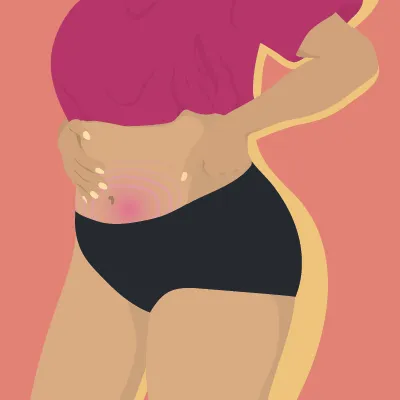
- Cramps: That dull ache in your lower belly or back can start a few days before.
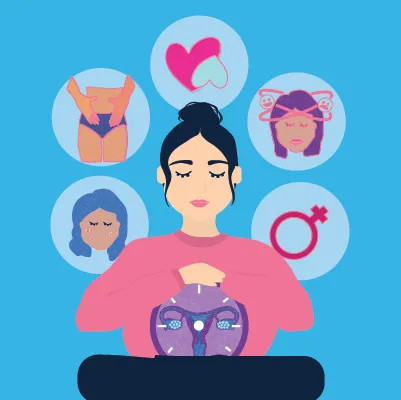
- Mood shifts: One minute you’re laughing at memes, the next you’re snapping at your sibling for breathing too loud. Totally normal.
- Food cravings: Fries, nuggets, or that sudden urge for a 2 a.m. burger run? Yep, cravings are a classic.
- Breakouts: Hormonal changes can make pimples pop up right before your cycle.
- Bloating: Suddenly your jeans feel tighter, even if you didn’t eat more than usual.
The more you notice these little changes, the easier it becomes to recognise the signs your period is coming before it arrives.
Tools That Can Help You Track
If you’re thinking, “Okay, but how do I actually predict my period without guessing every month?”— good news, there are tools for that.
- Apps: A menstrual cycle tracker app can log your period dates, symptoms, and flow. Over time, it learns your cycle and gives you pretty accurate predictions.
- Calendar method: Old-school but still works, just mark your start dates in your phone or a physical planner.
- Journaling: Not just for thoughts and doodles, writing down when you notice cramps, mood swings, or cravings can help you spot patterns.
Pick whichever feels easiest for you. Some people like digital reminders, others prefer scribbles in a notebook.
Everyone’s Cycle Is Different
Here’s a reality check: no two cycles are the same. Some are 28 days like clockwork, others are shorter or longer. Sometimes your body just does its own thing (thanks stress, travel, or random life stuff). That’s normal.
So, if your cycle doesn’t look like your friend’s, or even if it’s not the same length every single month, don’t panic. Tracking is less about “being perfect” and more about spotting your own patterns.
FAQs You Might Be Wondering
“What if my cycle isn’t regular yet?”
Totally fine! Especially if you’ve only recently started your period, your cycle might bounce around before it settles into a rhythm. Keep tracking, it usually evens out with time.
“Can I know the exact day my period will start?”
Not always. Your body isn’t a robot, so it might shift a bit. But tracking symptoms and using tools can get you close.
“What if I forget to track for a month?”
No biggie. Just pick it up again when you remember. It’s about building a habit, not perfection.
The Takeaway
Learning to track your period is like learning a new language your body already speaks. Once you notice the patterns: whether it’s cramps, mood shifts, or breakouts, you’ll start to feel more in control.
So grab a calendar, an app, or even just your notes app, and start keeping tabs. Over time, you’ll be able to predict your period without it feeling like a surprise attack every month.
Your body’s already giving you the signals, it’s just about tuning in.
Love, Libra x
Essity makes no warranties or representations regarding the completeness or accuracy of the information. This information should be used only as a guide and should not be relied upon as a substitute for professional, medical or other health professional advice.