Feb 27, 2025
What Happens During the Luteal Phase? A Guide to Your Cycle’s Second Half
Let’s be real - most of us learned the basics of periods in health class, but the full menstrual cycle? That’s still a bit of a mystery for many. Especially the luteal phase, aka, the often-overlooked second half of your cycle.
So, what is the luteal phase of the menstrual cycle, and why should you care? If you've ever wondered why your mood swings, energy dips, or cravings come out of nowhere, this part of your cycle might be the key to unlocking some answers.
Let’s break it all down in a way that makes sense - no complicated jargon, no awkward charts, just real talk.
First Things First: What Is the Luteal Phase?
The luteal phase starts right after ovulation and ends when your period begins. Think of it as the “after-party” of your cycle. It usually lasts about 12 to 14 days, but everyone’s body is different, and that window can vary a little.
So if you’re wondering, “when is your luteal phase?” — it’s the time between when the egg is released (ovulation) and the first day of your next period. That means if you ovulate on day 14 of a 28-day cycle, your luteal phase would be from day 15 to day 28.
This phase is ruled by a hormone called progesterone, which helps prep your body for a possible pregnancy. If no pregnancy happens, progesterone drops, and your body gets ready to shed the uterine lining - hello, period.
Luteal Phase Emotions: Why Do I Feel Like This?
One of the most noticeable things about this phase? Your mood might take a bit of a ride. During the luteal phase, emotions can feel all over the place and that’s not just in your head.
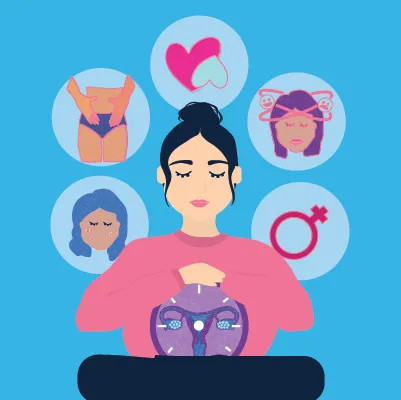
Luteal phase emotions are heavily influenced by the rise and fall of hormones like oestrogen and progesterone. For some, this means feeling extra sensitive, moody, irritable, or even anxious. For others, it might show up as needing more alone time or feeling introspective.
This is the time many people experience PMS (pre-menstrual syndrome), which can include emotional symptoms and physical ones like bloating, breast tenderness, and cravings. Yep, those "why am I crying at a cat video?" moments? Probably luteal-related.
Let’s Talk Energy
Ever notice how you’re a social butterfly one week and a blanket burrito the next? You’re not imagining it. Luteal phase energy levels can shift dramatically.
During the follicular phase (aka the first half of your cycle), energy tends to be higher and your body is primed for movement, creativity, and productivity. But once you hit the luteal phase, you might feel more sluggish, introverted, or just in need of rest - and that’s okay!
This is a great time to prioritise slower activities like journaling, gentle stretching, mindful walks, or even just catching up on sleep. Honouring your body’s rhythm instead of pushing through it? Total game changer.
What’s Actually Happening in Your Body?
Behind the scenes, your body is prepping for a potential pregnancy, even if that’s nowhere on your radar.
Here’s a quick breakdown of what’s going on:
- Ovulation just happened, so the ovary that released the egg forms something called the corpus luteum. This little structure pumps out progesterone.
- Progesterone rises, thickening the uterine lining in case the egg is fertilized.
- If the egg isn’t fertilised, the corpus luteum breaks down, and hormone levels drop.
- This hormone dip triggers your period to start, and the cycle begins again.
Your body’s basically doing the most behind the scenes - juggling hormones, prepping for pregnancy, and resetting the cycle, even if it just feels like bloating, mood swings, and the sudden need to eat an entire chocolate bar.
What If My Luteal Phase Feels Off?
If you’re paying attention to your cycle and something feels off, like your luteal phase is unusually short, your PMS is intense, or you’re not ovulating regularly, it might be worth chatting with a healthcare provider. Some people experience something called luteal phase defect, where low progesterone levels can mess with your cycle, mood, or fertility.
Tracking your cycle (there are tons of apps for that!) can help you understand your unique rhythm and catch any changes early.
Supporting Yourself Through the Luteal Phase
Here are a few ways to support your body and mind during this part of your cycle:
- Eat nourishing foods: Complex carbs, healthy fats, and magnesium-rich snacks can help balance mood and reduce cravings.
- Hydrate: Hormonal shifts can lead to bloating and staying hydrated helps.
- Move gently: Think yoga, stretching, or walks - not intense workouts (unless your body wants it!).
- Sleep: Your body might need more rest during this time - listen to it.
Final Thoughts
Your luteal phase isn’t just “that time before your period.” It’s a powerful, hormone-driven part of your cycle that affects how you feel, think, and move. Knowing how to care for yourself during this phase is like having a personal roadmap to your own body.
Whether you’re tracking your emotions, wondering why your energy dipped, or just trying to figure out why you cried over a TikTok, your luteal phase might just be the answer.
Your body’s sending signals. Now you know how to listen.
Love, Libra x
Essity makes no warranties or representations regarding the completeness or accuracy of the information. This information should be used only as a guide and should not be relied upon as a substitute for professional, medical or other health professional advice.