Dec 19, 2025
PMS: What you need to know
Periods are one of those things everyone’s heard about, but not everyone talks about openly. And while bleeding gets most of the spotlight, what happens in the days leading up to it is just as important. That’s where PMS, short for premenstrual syndrome, comes in. If you’ve ever felt moody, bloated, or just not yourself before your cycle, you’re not alone. Let’s break it down in a way that’s clear, real, and easy to relate to.
So, what exactly is PMS?
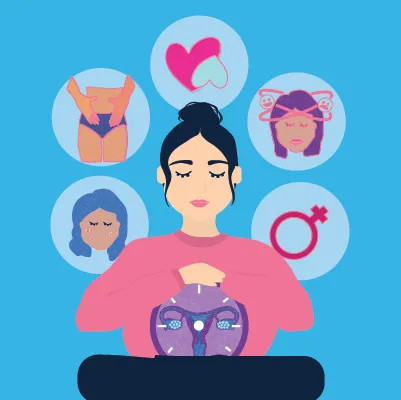
Premenstrual syndrome refers to the physical and emotional changes that happen in the second half of the menstrual cycle. These shifts are linked to hormone changes, mainly oestrogen and progesterone, that rise and fall as your body prepares for a new cycle.
PMS isn’t just “in your head” or about being “moody.” It’s a real combination of mental, physical, and emotional signs that millions of people who menstruate experience each month.
What are common PMS symptoms?
Here’s the tricky part: no two people experience PMS in the same way. Some barely notice it, while others find it disruptive. The most common symptoms include:
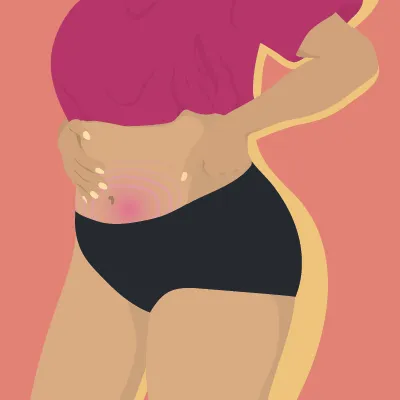
- Cramps or aching muscles
- Headaches
- Breast tenderness
- Bloating or changes in appetite
- Mood swings, irritability, or feeling down
- Trouble sleeping or feeling extra tired
- Breakouts or changes in skin

The intensity can change cycle to cycle, so don’t be surprised if one month feels easier than the next.
When does PMS start?
Most people notice changes about one to two weeks before their period begins. That’s because this is the luteal phase of the menstrual cycle, when hormone levels shift. If you’re tracking your cycle with an app or calendar, you may start to see a pattern: mood dips, sore boobs, or food cravings showing up on a schedule. Knowing when does PMS start for you can help you prepare ahead of time with self-care and practical planning.
How is PMS different from period symptoms?
This is where things get confusing. Period symptoms are what you feel once bleeding has started, things like cramps or back pain while you’re menstruating. PMS happens in the lead-up to your period, and while some of the signs overlap (like cramping), they’re technically happening in different phases of your cycle.
Are all symptoms before period considered PMS?
Not always. It’s normal to feel some body changes before bleeding, but PMS is usually defined by a recurring mix of physical and emotional signs. For some, it’s mild and manageable; for others, it can feel overwhelming. Tracking symptoms before period for a few months can help you spot patterns and decide if what you’re experiencing is PMS or something else worth checking with a doctor.
How can you ease PMS naturally?
There isn’t one magic fix, but lifestyle shifts often help:
- Movement: Even light exercise can reduce bloating and boost mood.
- Balanced meals: Eating regularly, limiting excess sugar and salt, and staying hydrated can stabilise energy and reduce water retention.
- Sleep: Quality rest makes emotional swings and fatigue easier to handle.
- Stress management: Journaling, meditation, or even short walks can help keep stress hormones in check.
For some people, over-the-counter pain relief or heat packs are part of the toolkit. The key is finding what combination makes you feel supported.
When should you talk to a doctor?
Mild PMS is common, but if your cycle is regularly knocking you out of action, that’s worth paying attention to. If your mood swings are intense, if cramps feel unbearable, or if daily life gets seriously disrupted, check in with a healthcare professional. In some cases, conditions like PMDD (premenstrual dysphoric disorder) or endometriosis can overlap with PMS and need medical support.
Final thoughts
Your cycle isn’t something you just have to “deal with.” Understanding PMS means you can recognise what your body’s telling you, prepare for the tougher days, and support yourself with rest, movement, or stress-relief techniques. Remember, PMS symptoms are real, they’re common, and they’re nothing to be embarrassed about.
If you’re struggling, you don’t have to go it alone. Talking openly with friends, family, or a healthcare provider can make navigating PMS a whole lot easier. At the end of the day, it’s about listening to your body, respecting its signals, and giving yourself the care you need.
Love, Libra x
Essity makes no warranties or representations regarding the completeness or accuracy of the information. This information should be used only as a guide and should not be relied upon as a substitute for professional, medical or other health professional advice.