Nov 12, 2025
PMS Cramps vs. Period Cramps: What’s the Difference?
You know that familiar ache in your lower belly that shows up before your period, or maybe right when it starts? Sometimes it’s tricky to know if it’s a PMS cramp getting ready or a full-on period cramp announcing, ‘game on!’ Both can feel annoyingly similar, but they happen for different reasons. Let’s break it down.
What Exactly Are PMS Cramps?
Before your period begins, your body’s hormone levels start to shift. Specifically, oestrogen and progesterone take a dip. This hormonal rollercoaster is what causes premenstrual syndrome, or PMS, which can bring mood swings, bloating, breakouts, and yes, cramps.
PMS cramps usually show up a few days, sometimes even a week, before your period starts. They’re caused by your uterus getting ready to shed its lining. Think of it like your body doing a pre-cleaning routine. Those little twinges are your uterus contracting lightly to prepare for the main event.
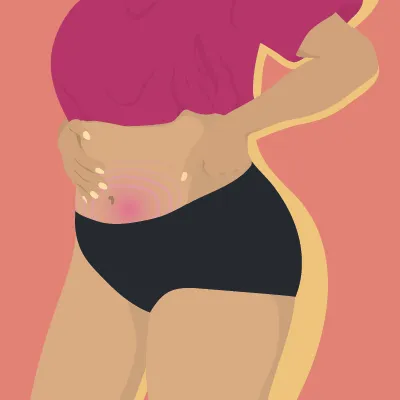
These cramps are typically mild and come and go. You might feel them in your lower abdomen or back, but they’re not as intense as what you might feel once your period officially starts.
So, What Makes Period Cramps Different?
When bleeding begins, that’s when period cramps take over. These cramps happen because your uterus is contracting harder to push out its lining, aka, menstrual blood and tissue.
The main player here? A hormone-like chemical called prostaglandins. These little compounds make your uterus contract harder - which can lead to those intense cramps. But too many prostaglandins can lead to extra-painful cramps, the kind that make you want to curl up with a hot water bottle and stay horizontal for a bit.
You’ll feel these cramps most during the first couple of days of your period, and they usually start easing off as your flow gets lighter.
PMS or Period Cramp?
Here’s a quick way to spot the difference:
| PMS Cramps | Period Cramps | |
| When They Start | A few days before your period | Day 1 or 2 of your period |
| How They Feel | Mild, achy, or crampy | Stronger, sharper pain |
| Where You Feel It | Lower belly, back, or thighs | Mostly lower abdomen |
| How Long They Last | A few hours to 2–3 days | 2–4 days after your period starts |
Can PMS Cramps Turn Into Period Cramps?
Pretty much, yes. It’s normal for one to roll right into the other. As your hormone levels continue to drop and your uterus begins to shed its lining, what started as mild PMS cramps can blend into stronger, ongoing period pain. So, if it feels like your cramps never stop, your cycle’s timing might be overlapping a bit.
How to Ease Both Kinds of Cramps
No matter which stage you’re in, nobody wants to deal with cramps all day. Luckily, there are a few easy ways to manage them:
- Heat therapy: A hot water bottle or heating pad works wonders to relax your muscles.
- Stay hydrated: Drinking water (especially warm water) can reduce bloating and ease pain.
- Gentle movement: Light stretching, walking, or yoga can increase blood flow and reduce tension.
- Magnesium-rich foods: Bananas, dark chocolate, and nuts can help relax muscles and calm cramping.
- Over-the-counter relief: If cramps are intense, pain relievers can reduce prostaglandin levels and help you feel more comfortable.
And if you want to ease some of the extra stress that comes with your period, choosing worry-free, comfortable period care options like period underwear or pads, can help you feel more supported while you manage cramps.
When Are Cramps Not Normal?
Cramps are super common, but that doesn’t mean they should knock you out completely. If your pain is so bad that it interferes with your day-to-day life, or if it lasts way longer than your period, it’s worth checking in with a doctor.
Sometimes, intense cramps can be a sign of something else going on, like endometriosis, adenomyosis, or fibroids, all of which are treatable, but need proper diagnosis. Tracking your symptoms can help your healthcare provider figure out what’s up.
Hormones: The Real MVP (and Trouble-Maker)
Your cycle is one big hormone loop, and cramps are a part of that cycle’s rhythm. In the luteal phase (right before your period), progesterone peaks and then drops, cue PMS cramps. Once your period starts, prostaglandins take over, hello, sharper cramps.
When your hormones are balanced, your cycle usually feels a bit easier. Getting enough rest, managing stress, and eating well can all help regulate things naturally. Even little lifestyle tweaks, like less caffeine or more fiber, can make a noticeable difference in how your cramps feel each month.
When in Doubt, Track It Out
If you’re not sure whether your pain is PMS-related or period-related, try using a menstrual tracking app or jotting down symptoms in your notes app. Pay attention to when the cramps start and how long they last. After a few cycles, you’ll start to see patterns, and that knowledge gives you a head start on managing discomfort before it even hits.
The Bottom Line
Your body has its own rhythm, and cramps, whether PMS or period, are part of that natural cycle. PMS cramps usually show up before your flow, while period cramps happen once bleeding begins.
The key is knowing your body’s patterns and finding what makes you feel better. Whether that’s a hot bath, comfy undies, or a chocolate-fueled Netflix night, managing cramps doesn’t have to mean suffering through them.
Love, Libra x
Essity makes no warranties or representations regarding the completeness or accuracy of the information. This information should be used only as a guide and should not be relied upon as a substitute for professional, medical or other health professional advice.